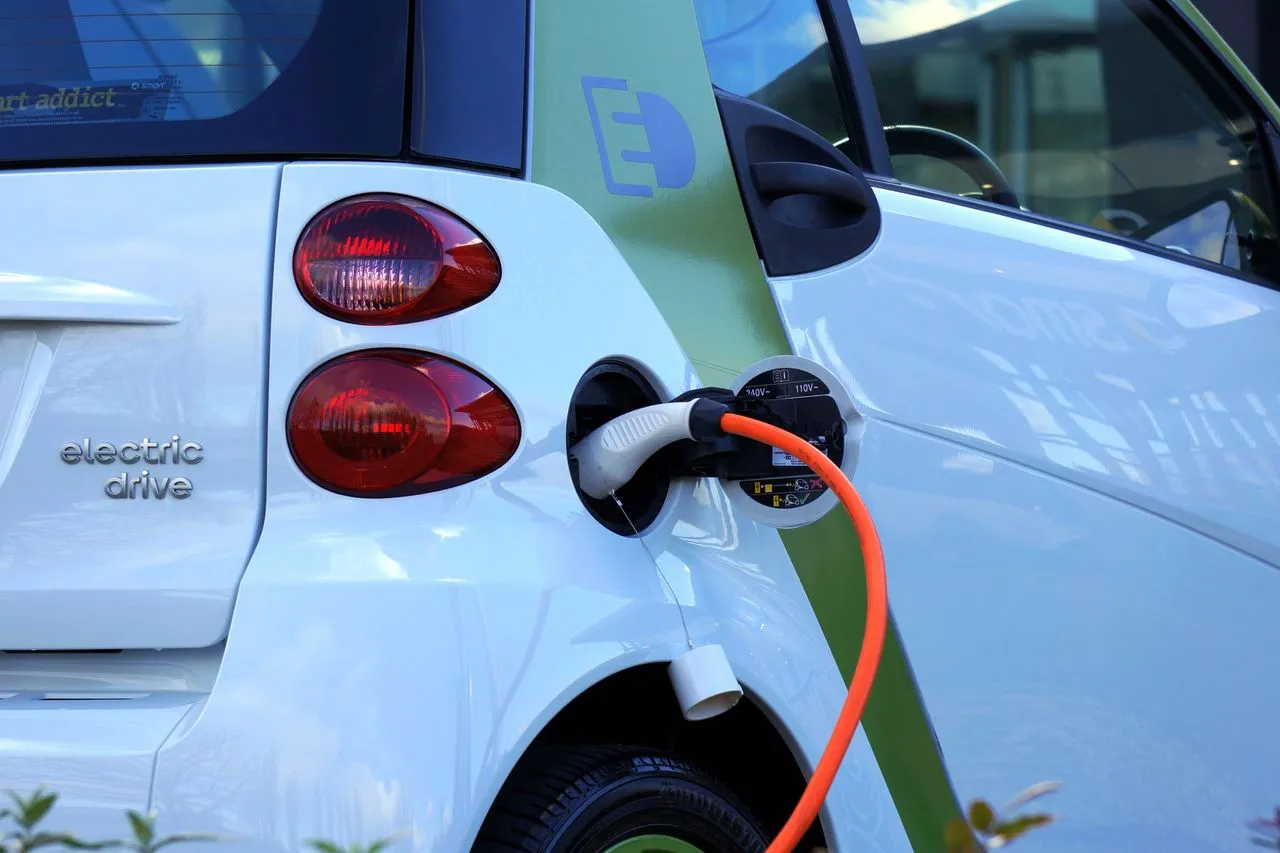
The global electric vehicle charging industry is entering a new phase of development as operators work to create charging networks that are more connected, interoperable, reliable and profitable. As these networks expand, however, operators are facing an increasingly complex challenge: how to turn the enormous volume of data generated by chargers, vehicles, energy systems, customers and digital platforms into fast, practical decisions.
At the Intercharge Network Conference (ICNC26), taking place September 1–3 in Berlin, Driivz is highlighting how artificial intelligence and advanced software intelligence can help electric vehicle charging operators address this challenge. Driivz, a Vontier company and a global provider of software solutions for EV charging operators and service providers, is demonstrating how its technology can help transform fragmented operational information into actionable intelligence.
A major focus of Driivz’s presence at ICNC26 is its new Network Optimization Agent, or NOA. The AI-powered assistant is designed specifically for EV charging operations and aims to help network operators better understand what is happening across their infrastructure, identify potential problems and make informed operational decisions more efficiently.
The company is also using the conference to discuss a broader industry trend: the growing importance of an intelligence layer within an open EV charging ecosystem.
The modern EV charging environment is far more complicated than simply installing chargers and connecting them to a software platform. Charging networks increasingly involve multiple hardware manufacturers, vehicles, energy providers, payment systems, mobile applications, roaming platforms, fleet-management systems and other technology providers.
Each component can generate its own stream of operational data.
Chargers can provide information about availability, faults, charging sessions and energy consumption. Vehicles can generate information related to charging behavior and session requirements. Energy systems provide information about electricity usage, pricing and grid conditions. Meanwhile, customers interact with charging networks through applications, payment platforms and other digital channels.
For charging operators, the sheer volume of information can be both an opportunity and a challenge.
Data can provide valuable insight into network performance, customer behavior, energy costs and equipment health. However, collecting information is only the first step. Operators also need reliable methods for analyzing those signals and translating them into decisions that can improve their networks.
This is where Driivz believes an intelligence layer can play an increasingly important role.
As the EV charging ecosystem becomes more interconnected, charging management platforms are increasingly becoming a central part of the wider mobility and energy environment.
Traditional charging software helps operators manage infrastructure, charging sessions, customers and other operational processes. However, Driivz argues that the next stage of development will require software to do more than simply manage information.
It will need to help operators understand that information and act on it.
Through its Intelligence Layer, Driivz aims to unify real-time signals from across the charging ecosystem and turn them into actionable recommendations. The goal is to help operators move from simply monitoring their networks toward increasingly intelligent and autonomous operations.
This shift could have significant implications for the industry.
Instead of waiting for a charger to fail and then responding to the problem, operators could use intelligent systems to identify early warning signs and take preventative action. Similarly, instead of analyzing energy consumption after the fact, operators could use real-time intelligence to identify opportunities to reduce energy costs and improve site profitability.
The same principle can apply to customer experience, network utilization and operational efficiency.
The need for this type of intelligence is reinforced by findings from Driivz’s 2026 State of EV Charging Report.
According to the report, 63% of industry respondents identified insufficient data quality or availability as a major barrier to using or expanding artificial intelligence. Another 55% cited cost concerns or uncertainty around return on investment as obstacles.
These findings highlight an important reality for EV charging companies.
Although artificial intelligence has the potential to transform charging operations, simply deploying an AI system does not guarantee results. AI requires reliable, relevant and accessible data to deliver meaningful insights.
Charging operators therefore need technology that can bring together information from multiple sources, interpret those signals within the context of charging operations and translate the resulting insights into practical actions.
For many organizations, the business case for AI will ultimately depend on whether the technology can produce measurable improvements.
That could include reducing equipment downtime, improving charger utilization, lowering energy expenses, increasing customer retention or reducing the amount of manual work required to operate a growing network.
At ICNC26, Driivz is giving attendees an opportunity to experience its Network Optimization Agent through live demonstrations at booth B4.
NOA is designed as an AI-powered assistant for EV charging operators. The solution is intended to help users navigate the complexity of large charging networks by bringing together information from different areas of the charging ecosystem.
The company represents NOA with a fox, symbolizing curiosity and intelligence. The concept reflects the system’s role in helping operators explore network information, identify potential issues and understand where action may be required.
Rather than forcing operators to manually review large quantities of operational information, the system is designed to help surface relevant insights and recommendations.
This approach could become increasingly valuable as charging networks expand.
A small charging network may be manageable with conventional monitoring and manual processes. But as operators add hundreds or thousands of charging points across multiple locations, the volume of information and number of potential issues can increase dramatically.
Intelligent automation can help operators manage that complexity more efficiently.
One of the most important priorities for any EV charging operator is keeping chargers operational.
A charger that is offline cannot provide a charging service, generate revenue or support customers. Repeated equipment problems can also damage customer trust and encourage drivers to choose competing networks.
Driivz’s Intelligence Layer is designed to support proactive diagnostics that can help operators identify potential problems before they have a major impact on network availability.
By analyzing operational signals, intelligent systems can help operators identify patterns associated with equipment problems and prioritize issues requiring attention.
This can support a shift from reactive maintenance toward more proactive network management.
For operators, the potential benefits include improved charger uptime, better availability and fewer disruptions for EV drivers.
Energy management is another major consideration for charging network operators.
Electricity represents a significant operating cost, particularly for high-powered charging sites and locations where multiple vehicles may charge simultaneously. Energy prices can also vary, creating opportunities for operators to improve profitability through smarter energy management.
Intelligent software can help operators better understand energy consumption and identify opportunities to optimize charging operations.
By combining information about charging activity, energy conditions and site performance, an intelligence layer can provide operators with a clearer picture of how charging behavior affects costs and profitability.
For businesses operating large charging networks, even relatively small improvements in energy efficiency can potentially translate into meaningful financial benefits when applied across many sites.
Customer experience is closely connected to network performance.
An EV driver expects a charging session to begin successfully, deliver the expected service and provide a reliable experience. Failed charging sessions can create frustration and reduce confidence in the network.
Driivz’s technology is designed to help operators improve their first-time-right charging rate, meaning the likelihood that a charging session works successfully without requiring additional intervention.
Higher charging success rates can improve customer satisfaction while also helping operators make better use of their infrastructure.
Network utilization is equally important. Chargers represent significant investments, and operators need to maximize the amount of useful activity generated by those assets.
Intelligent analysis can help identify underutilized infrastructure, operational bottlenecks and other opportunities to improve network performance.
As competition among EV charging networks increases, customer retention is becoming an increasingly important business consideration.
Operators are not only competing on the availability of charging stations. They are also competing on reliability, convenience, pricing, digital experiences and overall service quality.
A network that consistently delivers a dependable charging experience can have an advantage in building long-term customer relationships.
Driivz identifies maximizing customer lifetime value and retention as another potential benefit of its intelligence-driven approach.
By connecting operational data with customer and charging-session information, operators can gain a broader understanding of how network performance affects customer behavior.
Improving reliability and reducing charging problems can ultimately contribute to stronger customer relationships.
One of the biggest challenges facing the EV charging sector is scale.
As more EVs enter the market, demand for charging infrastructure is expected to grow. Operators must therefore build and manage increasingly large networks while maintaining service quality.
Scaling operations manually can become expensive and inefficient.
More chargers mean more equipment to monitor, more charging sessions to manage, more customer interactions to support and more operational data to analyze.
Automation and artificial intelligence can help address this complexity by reducing the amount of manual analysis required from operations teams.
Rather than replacing human decision-making entirely, intelligent systems can provide teams with better information and recommendations, allowing them to focus their attention on higher-value tasks.
This combination of automation and human oversight could become an important model for the future of EV charging operations.
Driivz CEO Shiri Levi-Laor is also addressing the topic during ICNC26.
On September 2 at 12:55 p.m. CEST, Levi-Laor is scheduled to deliver a keynote presentation titled “Why an Open Ecosystem Still Needs an Intelligence Layer.”
The presentation focuses on the relationship between interoperability and intelligence in the evolving EV charging environment.
Open ecosystems are designed to allow different technologies and organizations to work together. This interoperability is essential as charging infrastructure becomes increasingly diverse and interconnected.
However, simply connecting different systems does not automatically create an efficient operation.
Operators still need a way to interpret information generated throughout the ecosystem and determine what actions should be taken.
That is the role Driivz sees for an intelligence layer.
The EV charging sector is generating more data than ever before, but the value of that data depends on how effectively operators can use it.
Driivz believes the companies that gain the greatest advantage from AI will not necessarily be those with access to the largest quantities of information. Instead, success may depend on the ability to transform data into timely and intelligent decisions.
This distinction is particularly important as operators consider investments in AI technology.
The industry needs solutions that can demonstrate practical value rather than simply adding another layer of technology to already complex systems.
Improving uptime, lowering operating costs, increasing network utilization, strengthening customer retention and reducing operational complexity are examples of measurable outcomes that can help demonstrate the business value of intelligent charging software.
The long-term direction of the EV charging industry could extend beyond intelligent recommendations toward increasingly autonomous operations.
As AI systems become more capable, charging networks may be able to identify issues, evaluate possible responses and initiate appropriate actions with less human intervention.
For example, intelligent systems could detect a developing equipment problem, determine its potential impact on customers, prioritize the issue and recommend or initiate the appropriate operational response.
Similarly, energy-management systems could continuously evaluate changing conditions and adjust charging strategies to support cost and efficiency objectives.
Such capabilities could help operators manage much larger networks without requiring a proportional increase in operational resources.
The transition will not happen overnight, and human oversight will remain important. Nevertheless, AI-powered intelligence is increasingly positioned to become a fundamental component of EV charging infrastructure.
Driivz’s presence at ICNC26 reflects the broader evolution taking place across the EV charging industry.
The sector has moved beyond the basic question of how to deploy more chargers. Operators are now focused on how to operate those networks efficiently, profitably and reliably at scale.
Connectivity and interoperability remain critical foundations. But as the number of connected systems and data sources continues to increase, operators will need tools capable of making sense of that complexity.
Driivz’s Intelligence Layer and Network Optimization Agent represent the company’s approach to this challenge, using AI-powered capabilities to help operators move from data collection to actionable intelligence.
At ICNC26, visitors to booth B4 can see live demonstrations of NOA and explore how intelligent software can support charging-network operations.
Ultimately, the future of EV charging may depend not simply on how much infrastructure is deployed or how much data is generated, but on how effectively that infrastructure and data can be transformed into better decisions.
For charging operators seeking to improve performance, control costs and deliver a more reliable experience to EV drivers, the emergence of intelligent and increasingly autonomous operations could represent the next major step in the industry’s evolution.