As demand for batteries continues to increase across automotive, commercial, industrial, marine, and energy storage applications, responsible battery management has become a critical priority for manufacturers, distributors, and consumers alike. Recognizing the growing importance of sustainability within the battery industry, Continental Battery Systems (CBS) is continuing to expand its long-established battery recycling and recovery program, an initiative designed to maximize battery life, recover valuable raw materials, and reduce environmental impact.
The company’s recycling strategy goes beyond simply collecting used batteries. Instead, it focuses on creating a circular supply chain in which batteries are collected, evaluated, reconditioned when possible, and recycled when they reach the end of their service life. This comprehensive approach helps conserve natural resources while supporting a more sustainable manufacturing ecosystem.
Continental Battery Systems has built its recycling program around the concept of a circular economy. Rather than allowing used batteries to become waste, the company works to ensure they remain part of a continuous resource cycle.
The process begins when customers replace old batteries with new ones. Through CBS’s exchange-based distribution model, used batteries are collected at the same time new batteries are delivered. This streamlined collection system simplifies the recovery process while helping prevent batteries from ending up in landfills or being improperly discarded.
According to Juan Sierra, Senior Vice President of Supply Chain at Continental Battery Systems, the company’s objective is straightforward but impactful.
“Our goal is to keep batteries out of landfills,” Sierra explained. “Every battery we collect is either tested for reuse, reconditioned or sent back into the recycling stream so those materials can be recovered and used again.”
This philosophy reflects the company’s commitment to extending the useful life of batteries whenever possible while ensuring valuable materials remain available for future manufacturing.
Not every used battery has reached the end of its usable life. Many batteries still retain sufficient performance to continue operating after inspection and refurbishment.
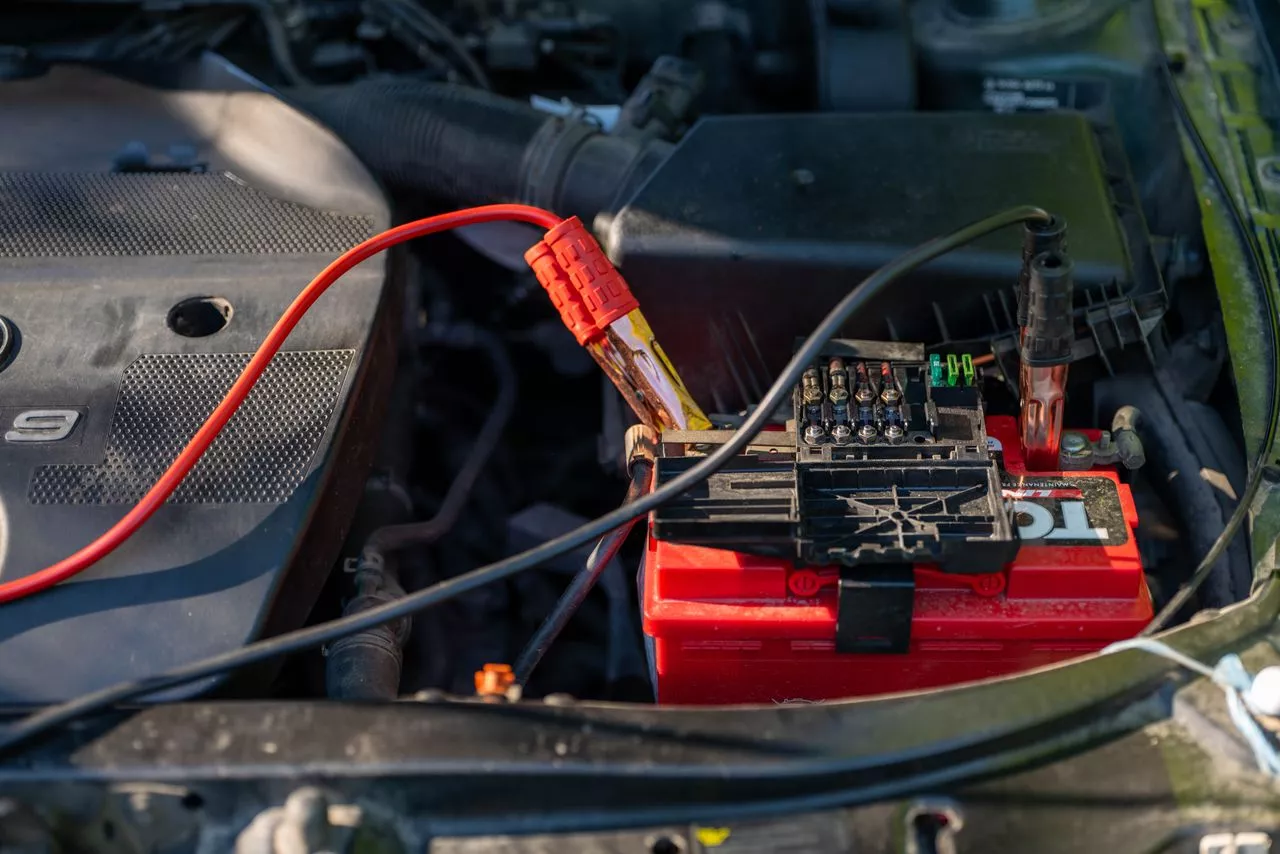
Once collected, batteries undergo detailed testing to determine their condition and remaining capacity. Those that meet quality standards can be reconditioned through specialized restoration processes that improve performance and reliability.
These restored batteries are then offered for resale, providing customers with dependable, cost-effective alternatives while reducing unnecessary waste.
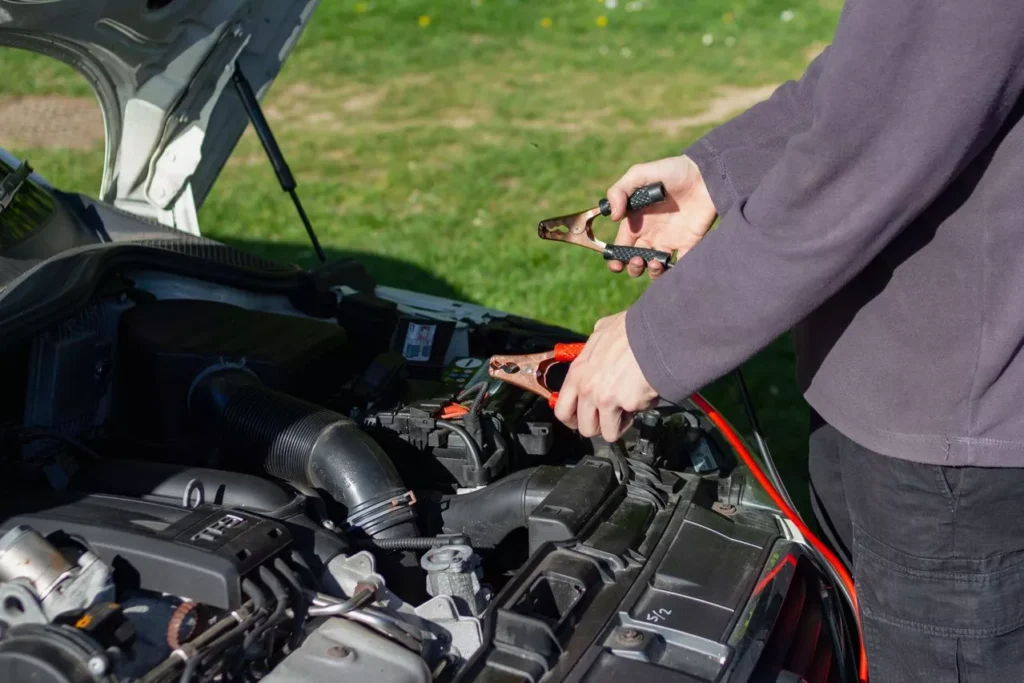
Battery reconditioning also helps decrease demand for newly manufactured units by extending the lifespan of existing products. This approach conserves raw materials and reduces the energy required for producing entirely new batteries.
By focusing on reuse before recycling, Continental Battery Systems follows the waste management hierarchy that prioritizes extending product life before material recovery.
When batteries can no longer be safely restored or reused, they enter the recycling stream.
Rather than treating expired batteries as waste, CBS ensures they are transferred to qualified recycling facilities where manufacturers and smelters recover valuable components.
Many battery materials—including lead, plastics, and other reusable metals—can be extracted and processed for use in manufacturing new batteries as well as numerous industrial products.
Recovering these materials helps reduce dependence on virgin raw materials while lowering the environmental footprint associated with mining and resource extraction.
Instead of being discarded, battery components are reintroduced into production cycles, creating a more sustainable flow of materials throughout the industry.
One of the defining features of Continental Battery Systems’ sustainability initiative is its exchange-based collection model.
Whenever customers purchase replacement batteries, CBS simultaneously collects the old units. This process eliminates many of the logistical challenges associated with battery disposal while encouraging responsible recycling practices.
The system benefits multiple stakeholders.
Customers gain a convenient way to dispose of used batteries responsibly without searching for separate recycling locations.
Distributors maintain efficient inventory replacement while supporting environmental compliance.
Manufacturers receive a consistent supply of recyclable materials that can be processed into new products.
The exchange model also minimizes the likelihood that used batteries will be improperly stored, illegally dumped, or sent to municipal landfills.
By integrating collection directly into product delivery, Continental Battery Systems has established an efficient recovery network that supports sustainability throughout its distribution operations.
Among all consumer products, lead-acid batteries remain one of the world’s greatest recycling success stories.
According to Sierra, material recovery rates for lead-acid batteries can reach as high as 99 percent, making them one of the most successfully recycled consumer products globally.
This exceptionally high recovery rate demonstrates the effectiveness of established battery recycling infrastructure.
Recovered lead can be refined and reused in manufacturing new batteries, while plastic battery casings can be processed into new components. Additional materials are also reclaimed, minimizing waste and maximizing resource efficiency.
Such high recovery rates illustrate how mature recycling systems can significantly reduce environmental impacts while supporting ongoing production needs.
Battery usage continues to expand rapidly across multiple industries.
Automotive applications remain a major driver, but demand is also increasing in commercial transportation, marine equipment, powersports, industrial machinery, backup power systems, telecommunications infrastructure, renewable energy storage, and numerous other sectors.
As electrification accelerates and energy storage technologies become more widespread, the volume of batteries entering the marketplace will continue to grow.
With this growth comes increased responsibility for ensuring batteries are properly managed throughout their entire lifecycle.
Continental Battery Systems believes recycling technologies and efficient recovery systems will play an increasingly important role in meeting future material demands while reducing environmental pressure.
Recovering valuable materials from existing batteries not only supports sustainability objectives but also helps strengthen supply chain resilience by providing manufacturers with additional sources of critical raw materials.
Improper battery disposal presents significant environmental risks.
Batteries contain materials that require specialized handling and processing. Recycling helps prevent these materials from entering landfills while reducing the need for additional resource extraction.
By recovering reusable components, recycling also lowers overall energy consumption associated with producing new materials from raw resources.
Continental Battery Systems’ integrated approach—combining collection, testing, reconditioning, reuse, and recycling—helps reduce waste at multiple stages of the battery lifecycle.
Rather than viewing used batteries as disposable products, the company treats them as valuable assets capable of generating additional economic and environmental value.
Sustainability initiatives are becoming increasingly important throughout the battery industry as businesses seek practical ways to reduce waste, improve resource efficiency, and support environmental stewardship.
Continental Battery Systems’ recycling and recovery program reflects this broader industry transition toward circular resource management.
By integrating battery collection into everyday distribution operations, evaluating batteries for potential reuse, reconditioning those with remaining service life, and responsibly recycling end-of-life units, the company has developed a comprehensive system that benefits customers, manufacturers, and the environment alike.
As global battery demand continues to rise, programs that emphasize material recovery and lifecycle management will become increasingly essential to maintaining sustainable supply chains. Through its ongoing investment in collection, refurbishment, and recycling initiatives, Continental Battery Systems continues to demonstrate how responsible battery management can reduce waste, conserve valuable resources, and contribute to a more resilient and environmentally sustainable battery ecosystem.
Source Link:https://www.businesswire.com/